Two hours off screens: Three ways to watch birds with kids at Palo Alto Baylands
From Duck Pond to wetland viewpoints, without chasing step counts or needing a telephoto lens
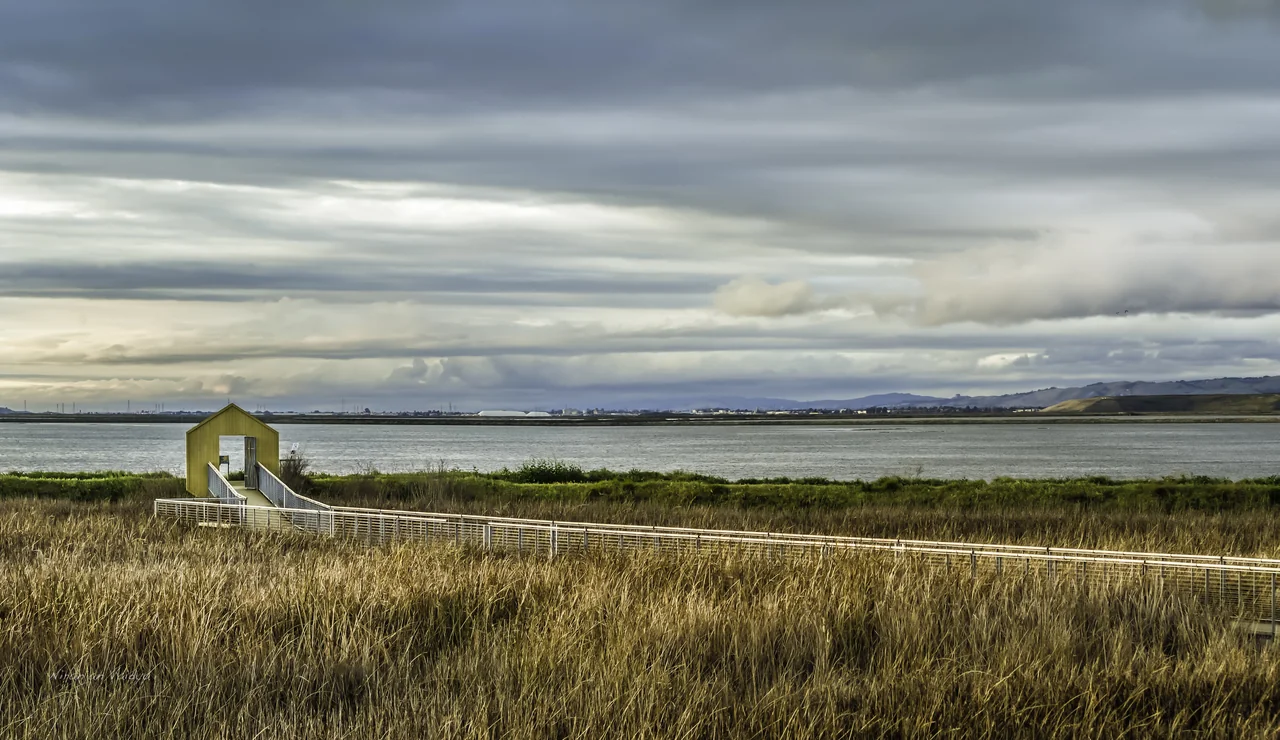
Want some company?Start an outing with this article’s coverPalo Alto Baylands Nature Preserve, in a 2013 archive photo. Bird sightings, water levels, and open trails depend on the day.
A short family outing around Duck Pond and Lucy Evans: how to watch birds, when to turn back, how to choose stroller routes, and how to avoid fall 2026 construction closures.
Kids don't need to know birds' names to enjoy watching them. Find one floating on the water, one searching for food, then wait for one to spread its wings. Palo Alto Baylands' open water suits this slower approach: no equipment purchase or chase for the “best photo spot” needed. Understanding one movement is reason enough to pause.
Choose the right Baylands, then keep the route small
This guide visits Palo Alto Baylands Nature Preserve. Use Lucy Evans Baylands Nature Interpretive Center, 2775 Embarcadero Road, to locate the area, then find the designated Duck Pond parking. This is not Sunnyvale Baylands Park; the two places have different parking and activity rules. On a first visit, stay around Duck Pond and the interpretive center rather than trying to loop the entire preserve.
- Suggested time: 60–120 minutes, including watching and resting but excluding travel. It's fine to finish after half an hour if that's enough for the kids.
- Fees and reservations: the city's preserve page does not list admission or reservation requirements for everyday self-guided trail visits. Budget separately for transportation, food, and courses requiring registration. Groups of 25 or more and special events have separate permit requirements.
- Hours: The preserve opens daily at 8:00, with closing time changing around sunset. Allow time to return according to the sign at the entrance that day. The indoor interpretive center is not open every day; its closure does not by itself prevent a short outdoor outing.
- Transportation: With young children, confirm the entire arrival and pickup plan. Palo Alto Caltrain station is not the wetland entrance. If taking transit or biking, check the final leg, crossings, and return trip separately.
Follow your child's interests through three stops, without counting miles
Start at Duck Pond and explore around the interpretive center
Use the official map to locate parking, restrooms, and trail surfaces first. These are suggested stops, not a guaranteed accessible route. Any stop can be your turnaround point.
Stop 1 · Watch the water at Duck Pond
Stop on an established path or viewing area and watch quietly for five minutes. Ask your child to choose one bird: Is it floating, swimming, diving, or searching for food? An adult should stand on the water side. Don't use food to attract birds. If energy is limited, finish here and return to the car.
View on mapStop 2 · Walk slowly toward Lucy Evans
Follow established paths that are open that day toward the area around the interpretive center. Check the map legend and surface first. If you reach gravel, mud, or a connection unsuitable for a stroller, turn back the way you came. Don't shortcut through wetland plants.
View on mapStop 3 · Choose a viewing spot, then retrace your steps
If the boardwalk is open and the surface and wind suit your group, walk a short stretch to observe the wetlands. Otherwise, stay in open areas. Before returning to the start, let the kids choose a favorite movement from the day to draw or describe to a companion.
View on mapA California gull landing at Duck Pond in Palo Alto Baylands, photographed in 2011. Used to illustrate movement; seeing the same species on your visit is not guaranteed.
Three small challenges that are more fun than memorizing bird names
- Look for movement: Does the same bird switch between swimming and preening? Watch one action for a full minute.
- Look for shapes: Which bird has longer-looking legs or a thinner bill? Describe only what you see, and leave the species unnamed if unsure.
- Look for change: Check the same patch of water on the way back. Are the birds still there? Note what changed. Not seeing a particular species is not a failure.
Find a bird with your eyes first, then take turns with binoculars. Without binoculars, watch the water near official trails. Adults can take a wide photo to record the location and identify species at home. Wildlife appearances can't be booked, and birds in the photos are not a list of guaranteed sightings.
Strollers, wind, and tides help decide when to turn back
The official map distinguishes paved, gravel, and boardwalk surfaces. Accessible facilities do not make every connecting trail a smooth sidewalk. Small-wheeled strollers take more effort on gravel. Wheelchair or mobility-aid users should ask the Ranger Station at 650-617-3156 about specific sections before visiting and shorten the route if conditions require.
Bring water, a hat and a windproof layer, and choose comfortable temperatures. Water levels change with the tides; stay off the mudflats when watching birds. Check the latest weather and city notices before visiting rather than assuming mornings or sunset are always comfortable.
This is not a place to feed ducks for photos. Feeding wildlife and collecting plants or animals are prohibited. Follow posted leash rules and keep dogs away from birds. The city also prohibits kite flying at Baylands because of the nearby airport; open space does not mean kites are allowed.
Take a minute to check before leaving
Check items off to organize your thoughts. Your selections reset when you leave this page.
The city updates trail closures here. Use older maps together with this page.
Find another family happy to take their time watching birds
Include children's age ranges, the Duck Pond meeting time, expected finish time, and whether you're bringing a stroller. Each family should agree on supervision responsibilities. Afterward, share a photo of a bird in motion and actual trail conditions to help the next reader prepare.
Official resources and service links
Check the original sources for your circumstances. Admission prices, hours, rules, and services may change.
- Palo Alto:Baylands Nature Preserve(opens in a new tab)
Check the address, hours, trail facilities, dog rules, and group permit requirements.
- Palo Alto: Open-space status and construction notices(opens in a new tab)
Parts of Adobe Creek Loop are closed for construction from 2026/9/1–10/30. Check for updated notices on the day you go.
- Palo Alto: official Baylands trail map(opens in a new tab)
The legend distinguishes paved, gravel, and boardwalk surfaces and marks Duck Pond, the interpretive center, parking, and restrooms. Check current closure notices alongside this older base map.
- Palo Alto: Lucy Evans interpretive center(opens in a new tab)
Indoor hours differ from the preserve's hours. Check boardwalk and exhibition arrangements separately.
- Palo Alto: preserve rules(opens in a new tab)
Check wildlife, dog, and trail-use rules, plus kite-flying restrictions near the airport.
Official information checked on September 9, 2026. Route durations and suggested stops are BAYLINK editorial recommendations. Recheck temporary closures, transit schedules, and admission rules through the official links at the end.