
Bay Area street parking: Read the signs before paying
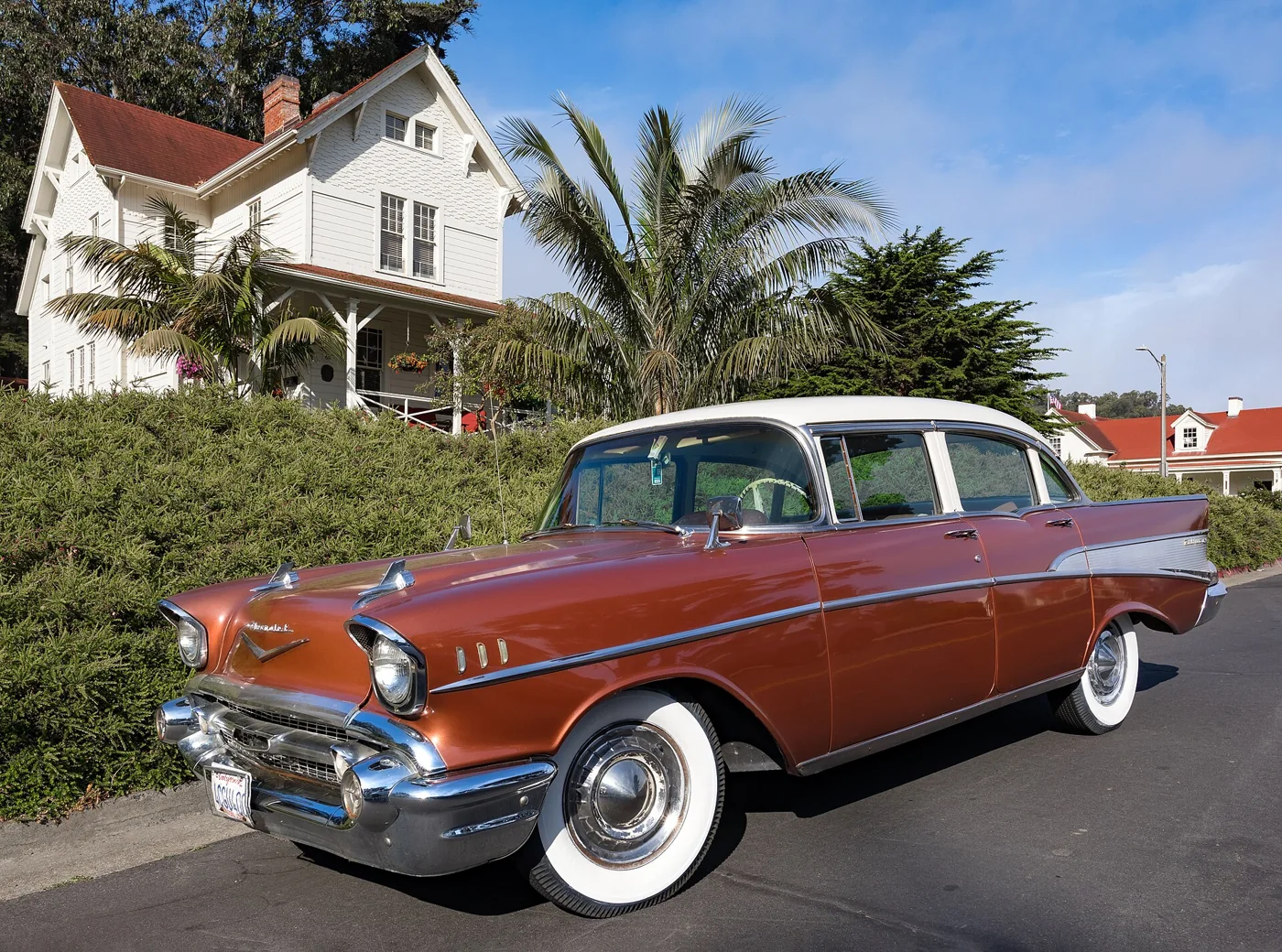 Archive photo · 2019
In 30 seconds
- No Bay-wide free hoursRules can differ by block, side of the street and event date, even within one city
- SF crosswalksUsually leave 20 feet on the approach side; 15 feet with a curb extension②
- Paying by phoneIt can’t exceed the posted maximum stay or cover a no-parking period③
- SF metersOfficially no QR-code payments③
Parking mistakes often begin with paying for an empty space before noticing another sign. There is no universal Bay Area free-parking schedule: rules can differ by block, side of the road and event date even within one city. Check how long you may stay before paying. For longer visits, finding a garage where you can get your car back when you need it usually beats circling the block.
Step 1: read the full set of signs
Read every sign within its arrows; intersections, driveways and hydrants have their own limits.
Full text and sources
Walk along the space to inspect signs in both directions. Read the arrows, days, hours, maximum stay, and permit exceptions, then check sweeping, loading, commute tow-away, and temporary construction signs. Use the local date and include the next day for an overnight stay. An unpainted curb does not automatically permit parking; intersections, sidewalks, driveways, and hydrants have separate restrictions.
Step 2: check the city and date, not neighboring rules
Check the city and today’s date; don’t apply another city’s rules.
Alamo Square streetscape in San Francisco, photographed in 2022. Shows the neighborhood, not a rental listing on this site.
Full text and sources
In San Francisco, also check SFMTA’s daylighting guidance: generally leave 20 feet clear on the vehicle approach side of a marked or unmarked crosswalk, or 15 feet where there is a curb extension; red curbs or no-parking signs can mark a different distance. On a two-way street, check the right-hand approach in the direction of travel; on a one-way street, check both curbside approaches.
- San Francisco: check meters, sweeping, and residential permits separately. SFMTA permits parking after the sweeper has actually cleaned the curbside, while other restrictions remain; a clean-looking road does not prove sweeping occurred.
- Oakland: use the official sweeping map for the block and the relevant year’s holiday list; don’t simply apply San Francisco’s sweeping practice.
- San Jose: read maximum stays on the meter and signs. For longer visits, check each ParkSJ garage’s entrance, access hours, and current charges.
- San Mateo: downtown has different parking zones. Check streets, garages, and private lots separately rather than treating the Peninsula as a single pricing area.
Step 3: a successful payment does not extend the legal stay
Paying doesn’t extend the maximum stay or override no-parking times; SF meters take no QR payments.
Full text and sources
Check whether payment requires a plate, space number, or location code, then select a duration and save confirmation. A mobile extension does not override the maximum stay or a no-parking period. If payment fails, check the city’s malfunction guidance or move rather than assuming parking is free. San Francisco explicitly does not accept meter payments by QR code; look up other cities’ mobile methods through their own official sites.
Finally: record your return time and a backup garage
Photograph the signs, set a return reminder and keep a garage in mind.
Full text and sources
Check items off to organize your thoughts. Your selections reset when you leave this page.
Personal parking check note
Sample template: replace the text in brackets, review it, then send.
City and local date: [ ]
Street segment or garage: [ ]
Arrival / return to vehicle: [ ]
Sweeping, time limits, temporary signs: [checked / pending]
Payment completed: [yes / no]
Latest return reminder: [ ]
Backup garage and retrieval hours: [ ]
For personal use; omit plates, payment accounts, and home addresses.
Use this checklist for San Francisco and the matching sources above for other cities.
Choose a facility covering your whole stay, then check current prices and vehicle retrieval conditions.
Make your Bay Area travel plans clearer
Explore pickup, public transit, and local outing guides, including the final part of your journey.
Browse more practical guidesOfficial sources
Check the original sources for your circumstances. Admission prices, hours, rules, and services may change.
- SFMTA: parking checks in San Francisco(opens in a new tab)
Street sweeping, tow-away periods, intersections, and curb restrictions specific to San Francisco.
- SFMTA: Crosswalk daylighting(opens in a new tab)
Check the vehicle approach side, the 20-foot buffer, curb extensions, and the area covered by on-site markings.
- SFMTA: meters and payment methods(opens in a new tab)
Check meter hours, maximum stays, official payment methods, and the QR-code warning.
- Oakland: sweeping maps and holidays(opens in a new tab)
Find sweeping schedules by street segment and confirm holidays for the relevant year.
- San Jose: meter time limits(opens in a new tab)
Check maximum stays on meters and signs, and verify the specific block on arrival.
- ParkSJ: San Jose public parking facilities(opens in a new tab)
Find garage entrances and operating arrangements; check timestamps on availability information.
- San Mateo: downtown on-street parking(opens in a new tab)
Distinguish downtown zones, street time limits, and city-owned parking facilities.
- San Mateo: meters and pay stations(opens in a new tab)
Check the vehicle plate, payment equipment, and PayByPhone location code.
Content updated Sep 27, 2026
Official sources checked September 27, 2026. This guide covers travel procedures. Follow the relevant city’s parking rules and on-site signs, and recheck charges, equipment, and discount requirements for your actual travel date.
 Archive photo · 2017
 Photo · 2024
Paying for Muni in October: single rides have left MuniMobile, so choose your payment card
Oct edition · 3 min read
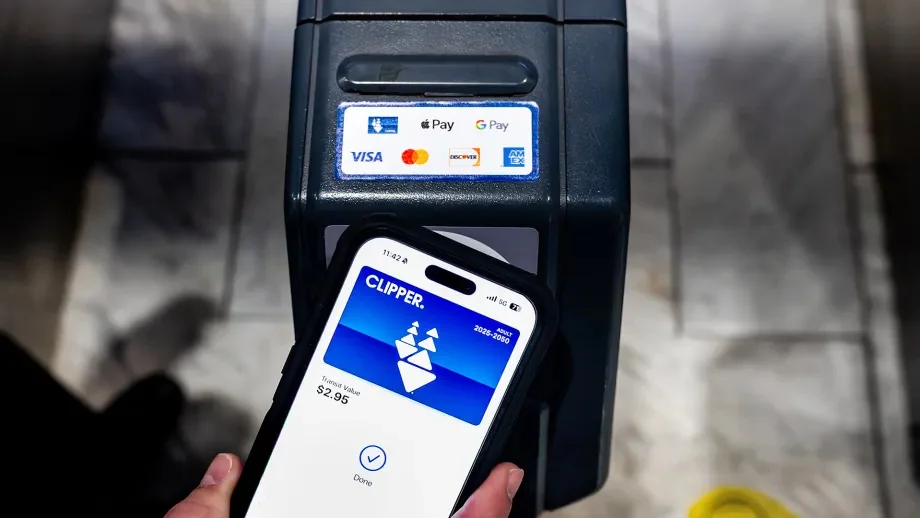 Official image
Using FasTrak: separate bridge tolls, express lanes, and rental cars
Archive photo · 20173 min read
Compare Bay Area commutes: BART, Caltrain, driving and carpools
Photo · 20244 min read
Paying for Muni in October: single rides have left MuniMobile, so choose your payment card
Official imageOct edition · 3 min read
BART in October: Mission elevator delayed, less parking at West Oakland
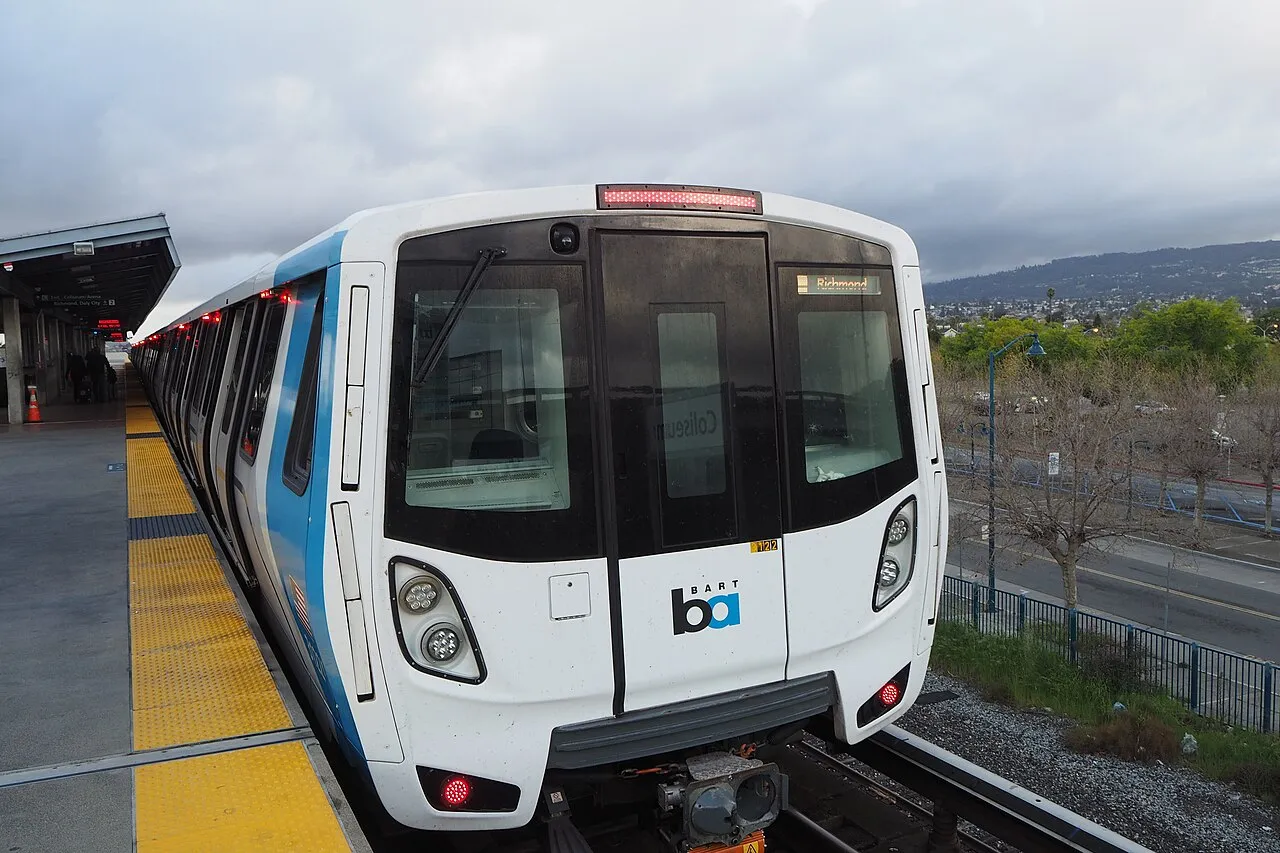 Archive photo · 2024
Oct edition · 1 min read
Image credits (6)
- Archive photo · 2019A thematic classic-car photograph taken in San Francisco’s Presidio in 2019. It does not show Novato Nostalgia Days or a confirmed event vehicle, and does not establish that parking is currently permitted at this location.Frank Schulenburg / CC BY-SA 4.0 · Resized and compressed; cards may crop to fitLicense
- Photo · 2022Alamo Square streetscape in San Francisco, photographed in 2022. Shows the neighborhood, not a rental listing on this site.dconvertini · CC BY-SA 2.0 · Resized and compressed; cropped on cardsLicense
- Archive photo · 2017Bay Bridge western span, archive photograph from 2017. Check the operator for current toll directions, rates and lane arrangements.Jan.Keromnes · CC0 · Resized and compressed; cards crop to fitLicense
- Photo · 2024A Caltrain electric train in Santa Clara, photographed in 2024. Check current schedules and stops before traveling.Mliu92 · CC BY-SA 3.0 · Resized and compressed; cropped on cardsLicense
- Official imageMTC reference photo showing mobile Clipper payment; the screen amount is not an October fare chart.Noah Berger / MTC · Official reference photo · Resized and compressed
- Archive photo · 2024A BART Fleet of the Future train at Coliseum station in a 2024 reference photograph. It illustrates the BART system, not the Mission elevator, West Oakland parking lot or Pleasant Hill work sites.Insightwm · CC BY-SA 4.0License