
Safe secondhand trading in the Bay Area: Meetups, payments, and inspections
 Illustrative photo
In 30 secondsFrom this guide
- Key factThe FTC’s payment advice (read Oct 14, 2026): use a safer method such as a credit card, which has legal protections.
For secondhand trades, favor public meetups, inspect before paying, and watch for fake payment screenshots.
For: Buying secondhand, Sell unused items
This guide is for Bay Area buyers and sellers of used items. Secondhand trading is normal; the key is to finish three steps every time: where you meet, how you pay and checking the item.
First decide whether this transaction is worth discussing further
The most common problems in secondhand sales are limited information and pressure to rush. An unusually low price, vague description, demands for an advance deposit, or reluctance to share basic photos and condition details usually isn't worth pursuing.
What to ask while chatting
Check items off to organize your thoughts. Your selections reset when you leave this page.
Meet in a public place
Public locations are generally a better choice than private homes, especially for phones, computers, cameras, and game consoles that can lead to disputes. Daylight, other people around, easy parking, and a nearby place to keep testing an item are more reassuring than an isolated roadside meeting.
- Favor public locations such as malls, areas near coffee shops, or supermarket parking lots.
- For large furniture, you can confirm with a small payment first, then arrange the full move.
- For an evening exchange, pay extra attention to lighting, parking, and the surroundings.
Inspect before paying
People sometimes feel awkward inspecting an item carefully, then discover problems at home. In-person checking is a normal part of buying used goods. Turn it on, test available functions, and verify measurements and accessories. Paying before inspecting often leaves you with fewer options.
The FTC’s payment advice (read Oct 14, 2026): use a safer method such as a credit card, which has legal protections. Wire transfers (MoneyGram, Western Union), gift cards, cash reload cards and cryptocurrency are like sending cash, and once the money is gone you generally can’t get it back.
Stop the deal when you see these
- They change the meeting place at the last minute to somewhere isolated or pressure you to rush.
- You agreed to inspect at pickup, but the seller keeps urging you to pay first when you arrive.
- The actual condition differs greatly from the description, and the seller keeps making excuses.
- An electronic device you aren’t allowed to switch on or check for an account lock.
- They demand a holding deposit without enough information to confirm the item is real.
Sellers need to protect themselves too
Sellers: state the item’s condition, how you take payment and when you can meet up front, which saves a lot of back-and-forth; if a buyer keeps changing the time, haggles at the last minute or wants to take the item before paying, say no. The FTC’s advice for sellers: never deposit a check for more than the selling price; don’t share a Google Voice code, or any verification code, with someone you don’t know; don’t accept a mobile payment from a stranger. Many sites recommend selling to a local buyer you meet in person and taking cash only.
Watch out
Check items off to organize your thoughts. Your selections reset when you leave this page.
Browse more reliable secondhand listings
Browse BAYLINK's secondhand category for more local listings. If you need a specific item, post a request so nearby users can find it more easily.
Browse used itemsOfficial sources
Check the original sources for your circumstances. Admission prices, hours, rules, and services may change.
- FTC: shopping on online marketplaces(opens in a new tab)
Learn about payments, seller checks, and disputes. Protections differ by platform.
- FTC: Avoiding scams when selling online(opens in a new tab)
Recognize fake payment notices, fake checks, and verification-code scams.
Content updated Oct 14, 2026
FTC pages on buying from online marketplaces and avoiding scams when selling read on Oct 14, 2026. Each platform’s own rules decide its payment protection.
Buying Used Furniture and Appliances in the Bay Area: Beds, Tables, Refrigerators, and Washers
2 min read
 Illustrative photo
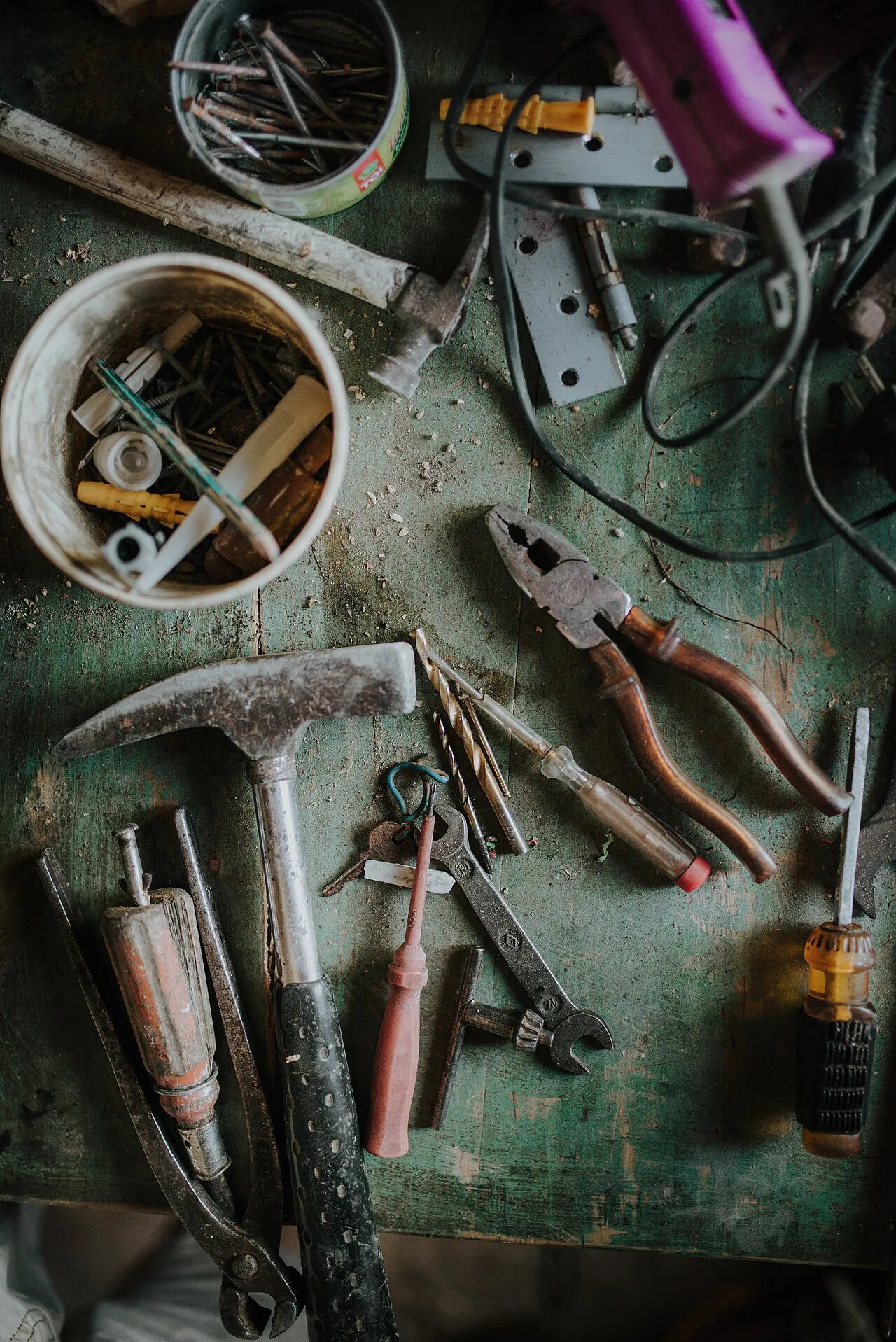 Archive photo · 2022
 Illustrative photo
Buying Used Furniture and Appliances in the Bay Area: Beds, Tables, Refrigerators, and Washers
Illustrative photo2 min read
Borrow tools and learn repairs: a Bay Area household workflow before buying again
Archive photo · 20227 min read
Planning a Bay Area Move: Movers, Used Furniture, Cleaning, and Handover
Illustrative photo2 min read
How to write BAYLINK housing and service posts that build trust and get responses
 Illustrative photo
2 min read
Image credits (5)
- Illustrative photoIllustrative photo of the category; not a photo of the listed event, venue or scene.Illustrative photo · Gilles Lambert / UnsplashLicense
- Illustrative photoIllustrative photo of the category; not a photo of the listed event, venue or scene.Illustrative photo · Jakub Żerdzicki / UnsplashLicense
- Archive photo · 2022Hand tools on a workbench, photographed in 2022. A repair-themed archival photo, not a local provider's portfolio.Shixart1985 · CC BY 2.0License
- Illustrative photoIllustrative photo of the category; not a photo of the listed event, venue or scene.Illustrative photo · Christian Lue / UnsplashLicense
- Illustrative photoIllustrative photo of the category; not a photo of the listed event, venue or scene.Illustrative photo · Isaac Smith / UnsplashLicense