
Your first day in the Bay Area: Set up alerts, outage information and household readiness
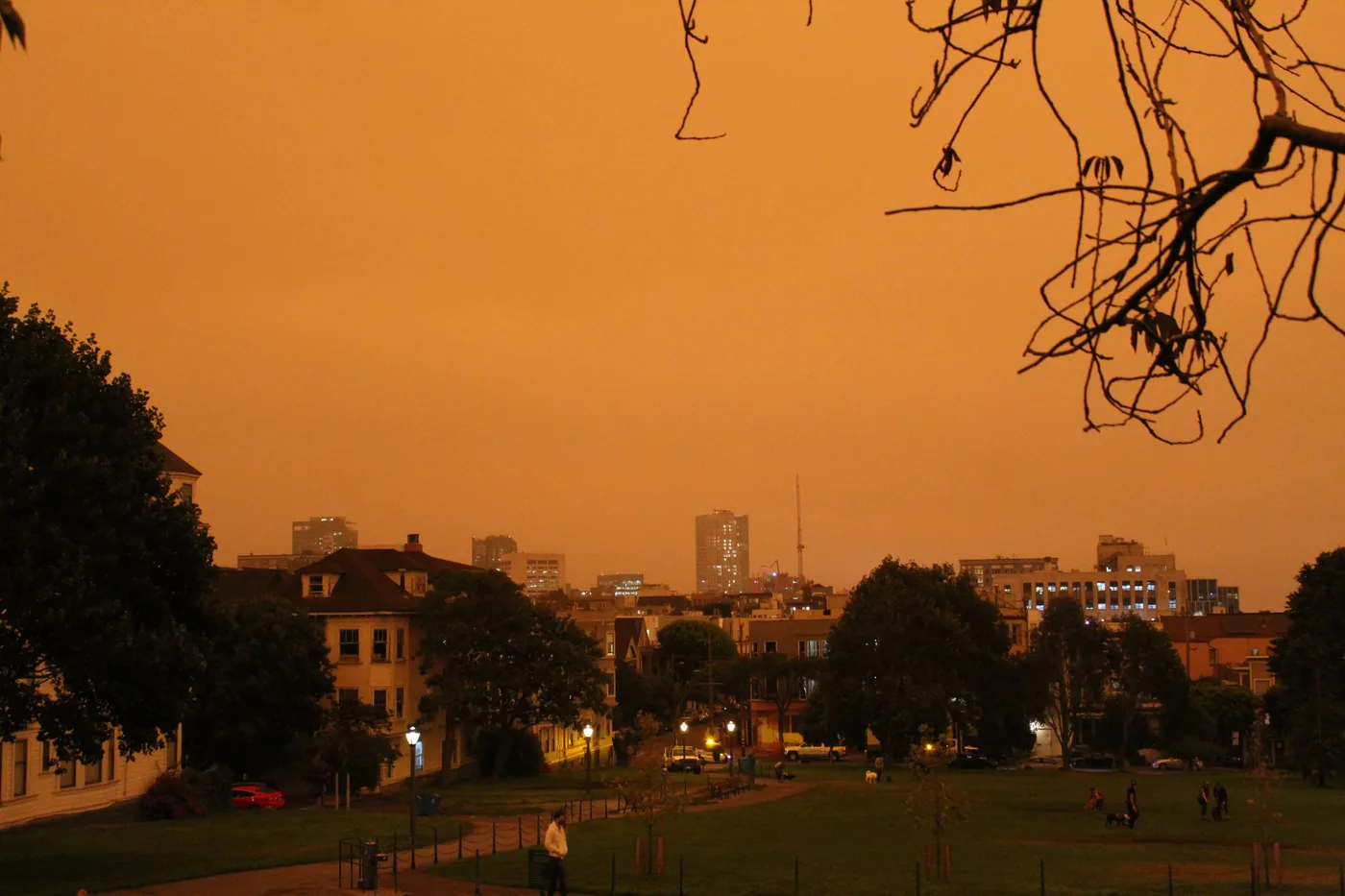 Archive photo · 2020
In 30 seconds
Set up a few lasting essentials after moving in: know where local notices come from, where to check outages, and how to contact family if your phone loses power. This checklist is for advance preparation. During an actual alert, read the issuing agency, affected location, time and required action, and follow the latest instructions.
Register for your county and update after moving
Register with your county’s alert system; after moving, remove old locations and update numbers.
Full text and sources
- San Francisco uses AlertSF; Alameda County uses AC Alert. Other East Bay counties have their own official systems.
- San Mateo County uses SMC Alert; Santa Clara County uses AlertSCC. Distinguish city and county names.
- Marin County uses AlertMarin; check local portals for other North Bay counties. Enter your address and contact channels as the system asks when you register.
- Add work or family locations as needed. After moving, remove old locations, update phone numbers and check that your settings saved. Even after registering, not every alert is certain to arrive.
Check outages and air quality separately
Bookmark your actual power provider’s outage page; check air quality and Spare the Air separately.
Full text and sources
Look on your bill for your actual electricity provider. PG&E customers can bookmark its Outage Center to check affected areas, update times and restoration estimates, which can change. Santa Clara's Silicon Valley Power and Palo Alto Utilities have their own pages, not PG&E's. Use the Air District's air-quality page, distinguishing measurements from forecasts. Spare the Air notices are a different kind of alert, not a live reading for your block.
Start with supplies you own and agree on a contact plan
Use Ready.gov’s list for supplies and agree on how the family stays in touch.
Full text and sources
Use Ready.gov's checklist to review water, shelf-stable food, flashlights, spare batteries, charging equipment and a radio, then add household and pet necessities. Agree on meeting arrangements and an out-of-area contact, keeping important numbers on paper. Ask building management about notices and exits before connectivity is lost. Check supply expiry dates regularly and adjust outings using current weather, air quality and official instructions.
Check items off to organize your thoughts. Your selections reset when you leave this page.
Copyable household readiness card
Sample template: replace the text in brackets, review it, then send.
Local alerts: [system]
Electricity information: [official page]
Meeting arrangements: [plan]
Contact order if separated: [family / out-of-area contact]
Supply location: [agreed place]
Next check: [date]
Keep the completed card within your household; do not publish personal information.
Choose the page for your actual electricity provider.
Check the data timestamp and relevant area.
Start with what you own and fill the gaps.
Keep building your local-life checklist
Plan moving, public services and everyday errands together.
Browse more practical guidesOfficial sources
Check the original sources for your circumstances. Admission prices, hours, rules, and services may change.
- AlertSF(opens in a new tab)
San Francisco's official alert registration portal.
- Alameda County Health · AC Alert(opens in a new tab)
Alameda County alert and registration information.
- San Mateo County · SMC Alert(opens in a new tab)
Set contact channels for your locations.
- Santa Clara County · AlertSCC(opens in a new tab)
Register or update locations and language preferences.
- Marin County Sheriff · AlertMarin(opens in a new tab)
Marin's alert system and coverage.
- PG&E · Outages & Safety(opens in a new tab)
View or report outages and set up updates.
- Silicon Valley Power · Outages and Alerts(opens in a new tab)
Use this separate resource for Santa Clara city electricity service.
- City of Palo Alto Utilities · Outages(opens in a new tab)
Use this separate resource for Palo Alto city electricity service.
- Bay Area Air District · Current Air Quality(opens in a new tab)
Distinguish measurements, forecasts and air-quality alerts.
- Bay Area Air District · Spare the Air(opens in a new tab)
Subscribe to alerts and check current notices.
- Ready.gov · Build a Kit(opens in a new tab)
Build supplies for your household's size and needs.
Content updated Sep 27, 2026
Official sources checked September 27, 2026. This guide helps you find the right service; confirm eligibility, accepted items, appointments, fees and live status on the responsible agency's current page.
 Illustrative photo
 Illustrative photo
 Illustrative photo
Helping elders spot official-impersonation and family-emergency scams
Illustrative photo4 min read
Using BAYLINK safely: phone verification, profile reviews, reporting, and blocking
Illustrative photo3 min read
Finding Part-Time Work in the Bay Area: Check the Job, Then Watch for Deposits, Task Scams, and Fake Checks
Illustrative photo4 min read
Explore and settle into all 101 Bay Area cities and towns
 Archive photo · 2011
3 min read
Image credits (5)
- Archive photo · 2020Duboce Park during wildfire smoke on September 9, 2020. Archive photograph, not a current weather or air-quality alert.Agomulka · CC BY-SA 4.0 · Resized and compressed; cards crop to fitLicense
- Illustrative photoIllustrative photo of the category; not a photo of the listed event, venue or scene.Illustrative photo · Gilles Lambert / UnsplashLicense
- Illustrative photoIllustrative photo of the category; not a photo of the listed event, venue or scene.Illustrative photo · Amanda Vick / UnsplashLicense
- Illustrative photoIllustrative photo of the category; not a photo of the listed event, venue or scene.Illustrative photo · Sixteen Miles Out / UnsplashLicense
- Archive photo · 2011The Golden Gate Bridge viewed from the water, in a 2011 archive photo. This bay scene does not represent a specific ferry route.l0da_ralta · CC BY 2.0 · Resized and compressed; cropped on cardsLicense